How to Create the Perfect Grocery List from Your Meal Plan
You've done the hard part—you've planned your meals for the week. But between your meal plan and actually having food in your kitchen stands the grocery list. And this is where many meal planners stumble.
A disorganized grocery list leads to forgotten items, impulse purchases, multiple trips to the store, and wasted time wandering the aisles. A well-structured list gets you in and out efficiently with exactly what you need.
This guide teaches you the system for creating grocery lists that eliminate forgotten items, reduce shopping time by 40%, and keep you on budget.
The Meal-to-List System
Converting a meal plan into a shopping list seems straightforward—just write down the ingredients. But there's a method that makes it far more efficient.
The Basic Process
Step 1: List all ingredients from all meals Don't filter yet. Write down every ingredient from every recipe you're planning.
Step 2: Combine duplicates Three recipes call for onions? Note the total amount needed.
Step 3: Check your inventory Cross off what you already have.
Step 4: Organize by store section This is the efficiency multiplier.
The Extraction Method
Work through each meal systematically:
Monday: Sheet Pan Chicken
- 4 chicken thighs
- 2 cups broccoli
- 1 cup carrots
- Olive oil (pantry)
- Garlic powder (pantry)
Tuesday: Tacos
- 1 lb ground beef
- Taco seasoning
- Tortillas
- Cheese
- Lettuce
- Salsa
Continue for each meal, then combine.
Combining Duplicates
After extracting, you might see:
- Onions: 1/2 (Monday) + 1 (Wednesday) + 1/2 (Thursday) = 2 onions
- Garlic: 3 cloves (Tuesday) + 2 cloves (Thursday) = 1 head garlic
- Rice: 1 cup (Monday) + 1.5 cups (Thursday) = 3 cups (buy 1 bag)
This prevents overbuying small amounts and ensures you have enough.
Organizing by Store Section
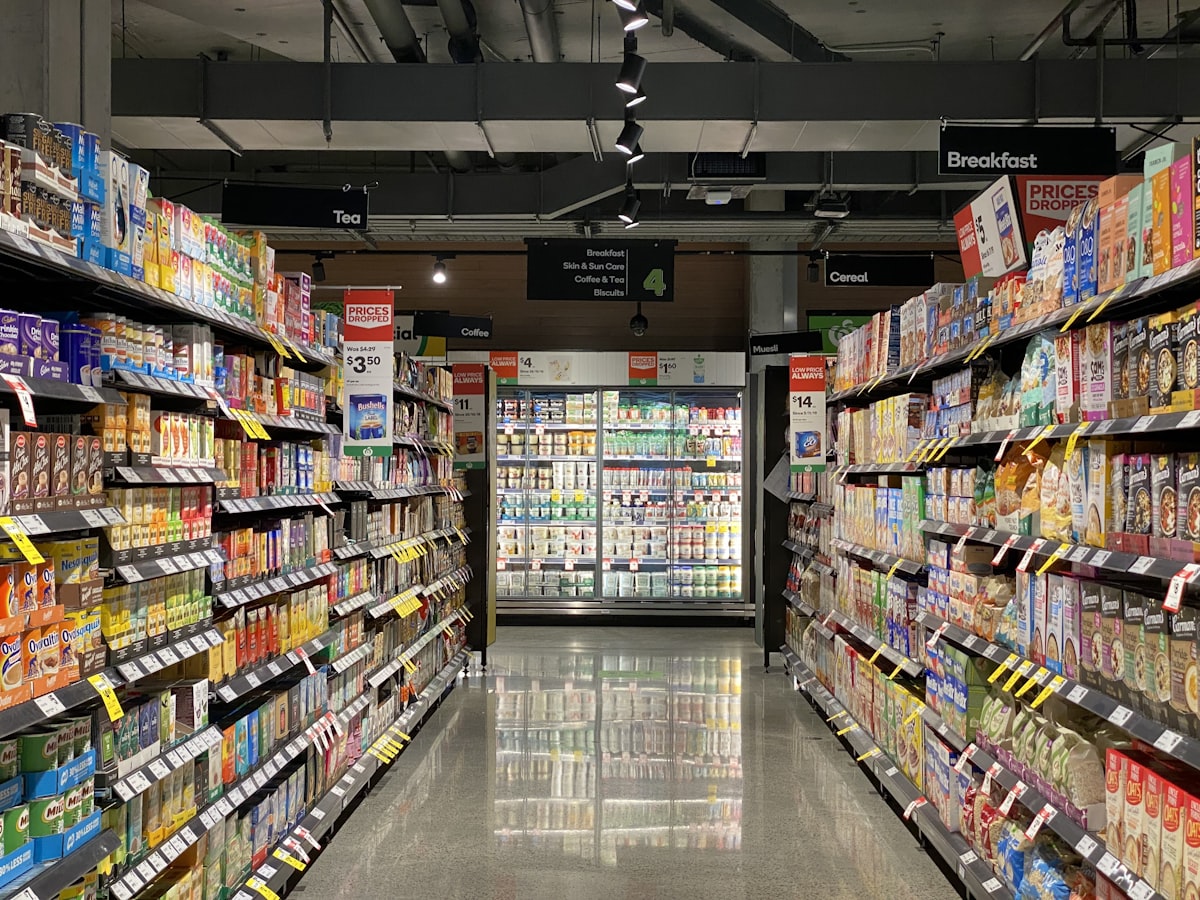
The single biggest time-saver in grocery shopping is organizing your list by how stores are laid out. No more zigzagging between aisles.
Standard Supermarket Layout
Most grocery stores follow a similar pattern:
| Section | Typical Location | What You'll Find |
|---|---|---|
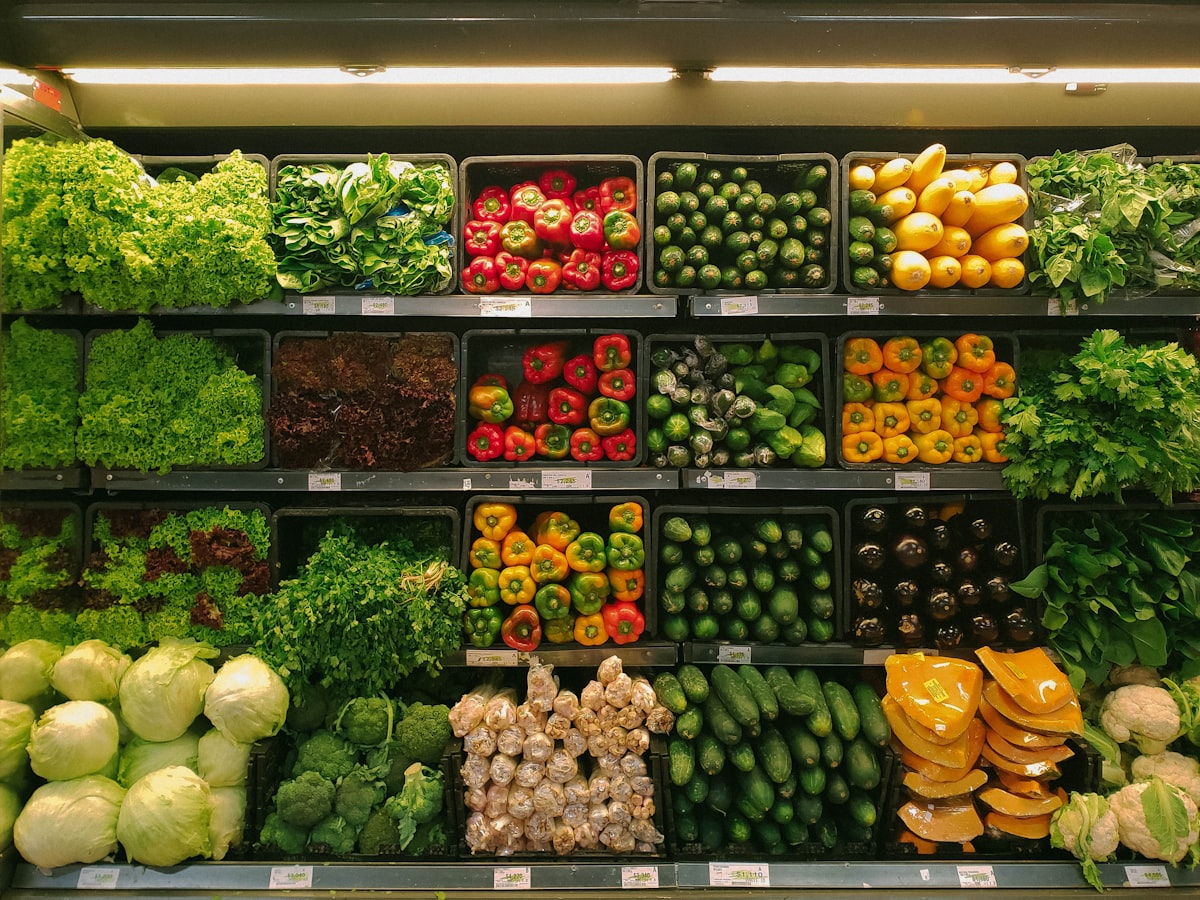
| Produce | Right side entrance | Fruits, vegetables, herbs |
| Bakery | Near produce | Bread, rolls, baked goods |
| Deli | Near bakery | Sliced meats, cheeses |
| Dairy | Back wall | Milk, cheese, yogurt, eggs |
| Meat | Back wall | Beef, chicken, pork, seafood |
| Frozen | Back section | Frozen vegetables, meals |
| Center aisles | Middle of store | Pantry items, dry goods |
| Checkout | Front | Last-minute grabs |
The List Template
Organize your list to match this flow:
PRODUCE
□ 2 onions
□ 1 head garlic
□ 3 bell peppers
□ 1 bunch cilantro
□ 2 lbs potatoes

BAKERY
□ 1 loaf bread
□ Hamburger buns

DELI
□ 1/2 lb turkey
□ 1/4 lb swiss cheese

DAIRY
□ 1 gallon milk
□ 1 dozen eggs
□ 8 oz cheddar
□ Greek yogurt (32 oz)

MEAT
□ 1.5 lb chicken thighs
□ 1 lb ground beef

FROZEN
□ 1 bag mixed vegetables
□ 1 bag frozen berries

PANTRY
□ 1 can black beans
□ 1 can diced tomatoes
□ 1 box pasta
□ Taco seasoning
Shopping Time Comparison
| List Organization | Average Shopping Time | Forgotten Items |
|---|---|---|
| Random order | 45-60 minutes | 2-3 items |
| By recipe | 35-45 minutes | 1-2 items |
| By store section | 25-35 minutes | 0-1 items |
That's potentially 2+ hours saved per month just by organizing your list properly.
Accounting for Pantry Items
The biggest source of grocery list inefficiency is buying things you already have—or forgetting to buy things you need because you assumed you had them.
The Pantry Audit System
Maintain a mental (or written) inventory of key pantry staples:
Cooking Oils & Fats
- Olive oil
- Vegetable oil
- Butter
Seasonings
- Salt
- Black pepper
- Garlic powder
- Onion powder
- Cumin
- Paprika
- Italian seasoning
Sauces & Condiments
- Soy sauce
- Hot sauce
- Vinegar (white, apple cider)
- Mustard
- Ketchup
- Mayonnaise
Baking Basics
- Flour
- Sugar
- Baking soda/powder
- Vanilla extract
Grains & Starches
- Rice
- Pasta
- Oats
- Bread crumbs
Canned Goods
- Diced tomatoes
- Tomato paste
- Various beans
- Broth (chicken, vegetable)
The Weekly Pantry Check
Before finalizing your grocery list, do a 2-minute pantry check:
- Look at your meal plan and identify all pantry items needed
- Physically check each item
- Note quantity (Is there enough? Is it almost empty?)
- Add to list anything that's low or missing
Running Low vs. Out
Smart shoppers distinguish between:
- Running low: Still have enough for this week, but add to next week's list
- Out: Need to buy this week
Keep a "running low" list on your phone. When you finish something, add it immediately.
Quantity Calculations
One of the trickiest parts of list-making is knowing how much to buy. Too little means extra trips; too much means waste.
Standard Serving Sizes
Use these estimates for planning quantities:
Proteins
| Protein | Serving Size | Package Typically Serves |
|---|---|---|
| Chicken breast | 6 oz | 1 lb = ~2.5 servings |
| Ground beef | 4 oz (cooked) | 1 lb = 4 servings |
| Pork chops | 5-6 oz | Varies |
| Fish filet | 4-6 oz | Varies |
| Eggs | 2 eggs | 1 dozen = 6 servings |
| Tofu | 4-5 oz | 1 block = 3-4 servings |
Grains
| Grain | Dry Amount | Cooked Yield | Servings |
|---|---|---|---|
| Rice | 1 cup | 3 cups | 4-6 |
| Pasta | 2 oz | 1 cup | 1 |
| Quinoa | 1 cup | 3 cups | 4-6 |
| Oats | 1/2 cup | 1 cup | 1 |
Vegetables
| Vegetable | Amount | Servings |
|---|---|---|
| Broccoli (head) | 1 medium | 3-4 cups |
| Carrots (bag) | 1 lb | 4-5 servings |
| Onions | 1 medium | ~1 cup chopped |
| Bell peppers | 1 large | 1.5 cups |
| Spinach (bag) | 5 oz | Cooks down to ~1 cup |
The Formula for Multi-Meal Ingredients
When an ingredient appears in multiple recipes:
- Calculate each recipe's need
- Add them together
- Round up to the nearest purchase unit
Example: You need onions for:
- Monday soup: 1 onion
- Wednesday stir-fry: 1/2 onion
- Friday tacos: 1/2 onion
- Total: 2 onions
Onions typically come in bags of 3-5, so buy the smallest bag that meets your needs.
Perishability Considerations
Factor in how long items last when deciding quantities:
| Produce Type | Typical Lifespan | Buying Strategy |
|---|---|---|
| Berries | 3-5 days | Buy for first half of week only |
| Leafy greens | 4-6 days | Use early in week |
| Tomatoes | 5-7 days | Buy slightly underripe |
| Bell peppers | 1-2 weeks | Safe for full week |
| Onions/garlic | 2-4 weeks | Buy in bulk |
| Carrots | 2-3 weeks | Buy full week's needs |
| Frozen vegetables | Months | Great backup option |
Shopping Efficiently
Even with a perfect list, shopping technique matters.
Timing Your Trip
| Time | Pros | Cons |
|---|---|---|
| Weekday morning | Least crowded, freshest produce | May not fit schedule |
| Weekday evening | Possible markdowns | Crowded, picked over |
| Saturday morning | Fresh stock | Increasingly crowded |
| Sunday morning | Decent stock | Crowds build quickly |
| Sunday evening | Fewer crowds | Limited fresh items |
Best overall: Weekday morning or early weekend morning
The Shopping Flow
Follow your organized list in order:
- Start with non-perishables (center aisles)
- Move to refrigerated items (perimeter)
- End with frozen (keeps cold until checkout)
- Skip impulse aisles if not on list
Avoiding List Deviations
Stores are designed to make you buy more than planned. Protect yourself:
Price tricks to watch:
- "10 for $10" (you don't have to buy 10)
- End-cap displays (often not the best deal)
- Eye-level items (higher-priced on purpose)
Staying on track:
- Eat before shopping (hunger = impulse buying)
- Set a time limit
- Wear headphones (blocks tempting announcements)
- Stick to the perimeter when possible
The Efficient Checkout
- Organize cart/basket by how you want items bagged (heavy/sturdy first)
- Use self-checkout for small trips
- Have payment ready
- Check receipt for errors (surprisingly common)
Digital vs. Paper Lists
Both approaches have merits. Choose based on your preferences.
Paper Lists
Advantages:
- Satisfying to physically cross off
- No phone battery concerns
- Can be stuck on fridge
- Works in stores with poor cell service
Best practices:
- Keep a pad on kitchen counter for running additions
- Use template format for speed
- Photograph it as backup
Digital Lists
Advantages:
- Always with you (on phone)
- Easy to edit and rearrange
- Shareable with family members
- Can include photos/notes
Best apps:
- AnyList (syncs between family members)
- Google Keep (simple, cross-platform)
- Apple Reminders (built into iPhone)
- Paprika (links to recipes)
The Hybrid Approach
Many people use both:
- Running list on phone (captures items anytime)
- Weekly organized list on paper (for actual shopping)
Shopping Day Workflow
Here's the complete workflow from meal plan to full fridge:
The Night Before
- Finalize meal plan (if not already done)
- Extract ingredients to master list
- Check pantry and cross off what you have
- Organize list by store section
- Note any coupons or sales to look for
Shopping Day
- Review list one final time
- Eat before going (never shop hungry)
- Bring list (paper or phone charged)
- Shop systematically (follow store layout)
- Stick to list (resist impulse additions)
- Check items off as you add them to cart
After Shopping
- Check receipt for errors
- Put away groceries properly (extends freshness)
- Do any prep if time allows
- Update running list with items you're now low on
Troubleshooting Common Problems
"I always forget something"
Solutions:
- Double-check list against each recipe before leaving
- Keep running list of commonly forgotten items
- Text list to yourself as backup
"My total is always higher than expected"
Solutions:
- Track prices of frequently bought items
- Compare unit prices (per ounce/gram)
- Meal plan with budget in mind
- Use grocery delivery apps to see total before checkout
"I buy too much produce that goes bad"
Solutions:
- Plan exactly when each item will be used
- Schedule perishables for early in week
- Use frozen vegetables for end of week
- Buy smaller quantities more frequently
"My family adds random items"
Solutions:
- Share digital list (everyone can add items)
- Review additions before shopping
- Set a "wild card" budget for extras
- Make unplanned items wait for next week
"Store is out of items I need"
Solutions:
- Have backup items in mind for key ingredients
- Shop earlier in the day
- Call ahead for specific items
- Know your store's restock schedule
Making It Automatic
The goal isn't to create elaborate lists every week—it's to build systems that make grocery shopping effortless.
Build Your Template
After a few weeks, you'll notice patterns. Create a master template with:
- Items you buy every week (milk, eggs, bread)
- Organized by store section
- Space to add weekly specifics
Establish Routines
- Same day, same time for meal planning
- Same day, same time for shopping
- Same store (know the layout by heart)
Reduce Decisions
- Rotate the same 15-20 recipes
- Keep staples auto-replenished
- Let sales guide some variety (what's cheap this week?)
The best grocery list is one you barely have to think about—a system that runs itself and delivers exactly what you need, when you need it, without mental overhead.
Start with this week's meal plan. Create your list using the system above. And watch how much easier shopping becomes.
Ready to Transform Your Kitchen?
Join thousands who have eliminated food waste and simplified meal planning with Fixins.